Category: Reads

  • As fans celebrate title in dominant fashion, a summer of farewells might lie ahead for Sporting

    As fans celebrate title in dominant fashion, a summer of farewells might lie ahead for Sporting


    On a Sunday that was far-too-cold and cloudy for Lisbon in the spring, all Sporting fans had their eyes fixed 349km up north.

    That was where their fierce rivals Benfica were making their last push to keep their domestic trophy chase alive, facing Famalicão at their ground in the last fixture of the 32nd round. Being eight points behind Sporting with 3 matches to go, the Reds had their self-belief again put to test, as the Lions sealing the title seemed like only a mere formality, a matter of time. And when the home team opened the score, with barely 20 minutes to be played, it simply started to feel real. Very real.

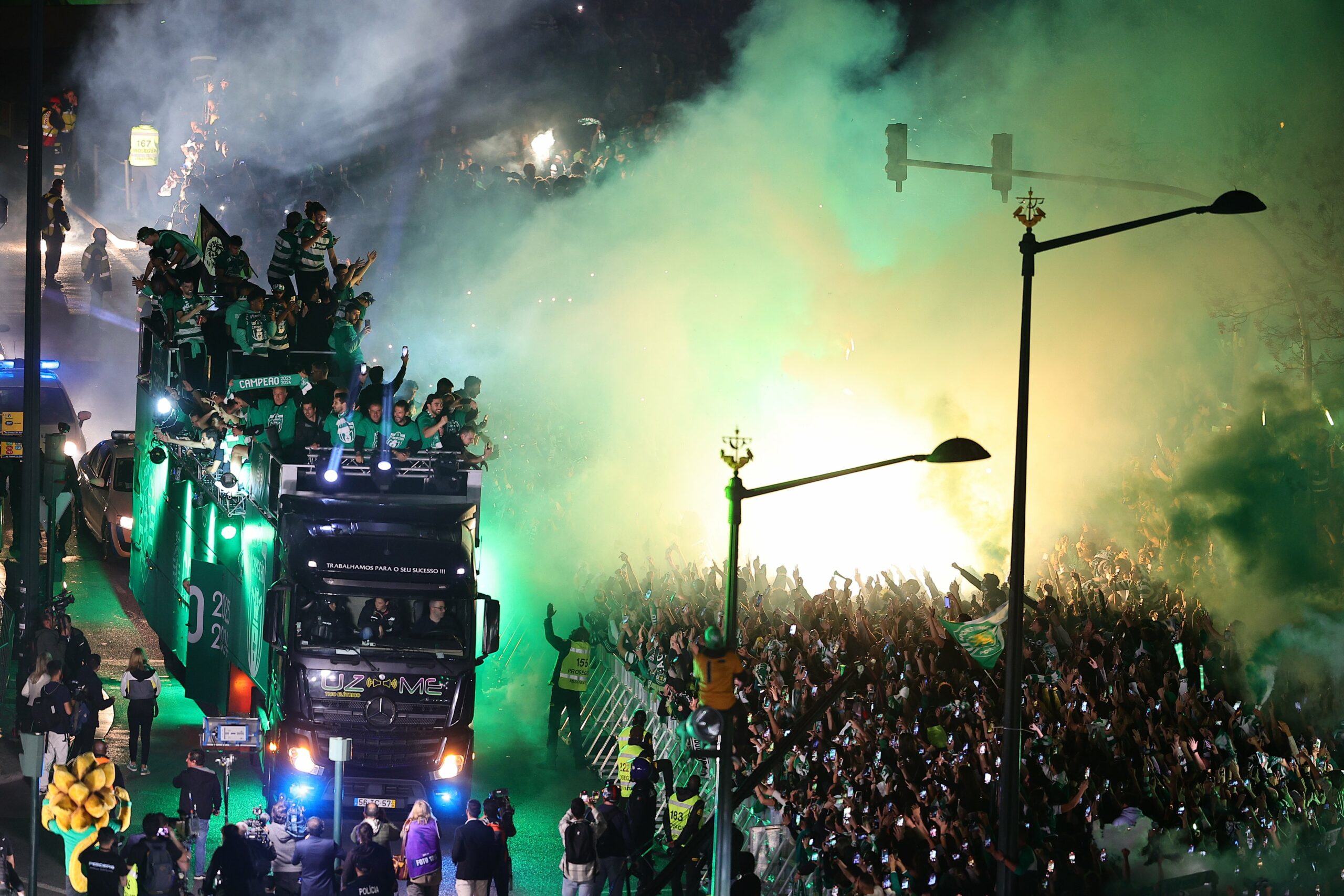
    Back to Lisbon, this was when the first chants started erupting all around the city. By the time Youssef bagged the second for Famalicão, the streets and metro stations were already filled with people proudly wearing green, and heading towards the Marquês de Pombal square. And when the referee blew the full time whistle, for Sporting fans, it meant that the party was set. It was finally time to celebrate – something which these fans have become increasingly accustomed to in the recent years.


    Twelve months earlier, though, this ending to the season didn’t look so likely. Following a struggling campaign in which they saw Benfica dominate domestic football, Sporting had several questions in need of an answer. Having lost many players that were key to the 20/21 Portuguese title, it looked like the club was approaching the end of a cycle. They had become a more predictable team. A clear lack of assertiveness up front was overloading the defensive end. Countless wasted opportunities, that led to more silly mistakes being made at the back, given the increased pressure. Multiple important results thrown away, throughout what ended up being a somewhat disappointing season – even if there were a few sparks of joy, like winning the penalty shootout against Arsenal in North London.

    In the last 20 years, it would have been just another normal, trophyless season for Sporting. But not for Amorim’s Sporting.

    Widely regarded as one of the most promising coaches in European football for some time, Rúben Amorim’s future was already subject of speculation back then. But his high release clause seemed enough to scare off suitors and hold any move back, whereas the manager himself had never showed signs of wanting any move away from the Alvalade stadium. So as the rumors cooled off, the most pressing issue to the Sporting board became to ensure the club would display the same level of ambition as their coach. And that had everything to do with signing forward Viktor Gyökeres.

    From the start of the summer transfer window, it was clear that the Swede was Sporting’s key target. Reports claim that the Lions had scouts watching him in action for Coventry City in “around 30” different occasions, before making him the club’s record signing at € 21m. To achieve his number-one priority, Amorim had to showcase what many say is his “superpower”: his communication skills, and how he gets people on board with his ideas. He saw in Gyökeres the exact type of striker he needed to revitalise his team, and did his best to convince both the board, to open the vault, and the player, who had more lucrative offers on his table, even from the Premier League. But the Sporting manager was able to seduce the player and his entourage with a project that would have him under the brightest possible spotlight, favoured by the team’s style of play.

    “Many people keep asking me why I brought Viktor to Sporting. He came for one reason: I only brought him to Sporting because of Rúben Amorim. And I said that to him when I saw him for the first time, before saying hello. I follow Rúben since he managed Braga. I also know his philosofy at Sporting and how he could take Viktor to the next level. That was more important to me than taking him to the Premier League and making more money. Most people told me I was being stupid.”

    HASAN ÇETINKAYA, Gyökeres’ agent

    Looking in retrospect, it might have even been an undersell.

    “He is a forward that, in addition to goals, and you [reporters] know I don’t care that much about goals […], the truth is that we can now play lower. And now, we are able to have a forward that makes plays on his own, in transition, which we didn’t have. We needed to take the ball forward, and we no longer do. We are more threatening, having a forward with a different skillset, and therefore more complete”, Amorim said about his new addition right after his arrival, last August, in a press conference. A few weeks later, he spoke about the player’s desire to play in the Alvalade. “He really wished to come to Sporting. We saw the offers he had. He understood the project, he is a very ambitious player. Maybe the clubs that approached him were not the clubs he would like to join, in a Premier League”.


    As a man known for being “rather clear and simple” with his instructions, it seems that every bit of what the 39-year-old coach envisioned for Gyökeres and his role has become not only real, but routine. A very happy one for the club’s supporters, who got used to seeing the Swede tear defenses through with his deep runs, clever movement and, of course, his goals – which Amorim might not care that much for, but has certainly enjoyed. From the fairly unknown striker with 40 goals in two seasons in the Championship, Gyökeres has turned into one of the deadliest strikers in European football, with 27 league goals out of 21.37 xG (Expected Goals) in 31 matches played, scoring every 101 minutes while also creating 10 assists out of 5.85 xA (Expected Assists). Considering all competitions, his count raises to 41 goals and 15 assists in 47 appearances.

    These individual numbers don’t leave room for doubts about his impact. But it certainly goes further beyond them. His clinical finishing and his smart runs – the Swede ranks in the top 1% in Progressive Carries and Progressive Passes Received among strikers playing in the top five European leagues – have allowed the defense to play lower and tighter, just as Amorim planned. As a matter of fact, Sporting has become a defensive juggernaut this season, with 0.69 Non-Penalty Expected Goals Conceded per 90 minutes – simply the best rate across Europe’s top seven leagues.

    Such rock at the heart of the defense, added to the verticality and aggressiveness provided by the likes of Nuno Santos, Geny Catamo, Pedro Gonçalves, Marcus Edwards and, of course, Gyökeres, turned Amorim’s structured 3-4-2-1 formation into a relentlessly efficient transitional machine spearheaded by the former Coventry man, scoring 92 league goals out of 70 xG and 136 across all competitions (so far).

    Rapidly, the € 21m paid to bring him in started looking like a bargain. In fact, it was reported that Sporting was enquired by Chelsea about the striker, as well as defender Ousmane Diomandé’s, during the winter transfer window, but the club was not willing to do business. He stayed, and cemented himself as the main man of a memorable season for the club. In just a few months, Gyökeres gained legendary status among the club fanbase, a charismatic hero with a trademark celebration.

    His development within the club follows a pattern already seen with other signings made by Amorim. Sure, there were misses. But many of the players he brought in, since taking charge in March 2020, have not only helped the cause, turning Sporting into this dynamic side, but have done so while also having their potential untapped and their careers, propelled. This list includes a number of current players, such as Edwards, Hidemasa Morita or Morten Hjulmand – another courageous signing that costed € 19.5m, but seamlessly fit into the midfield alongside the Japanese, himself a € 4m signing from Azorian side Santa Clara a year ago. The list goes on with the likes of Manuel Ugarte, João Palhinha and Pedro Porro, all of them developed into top players in European football.

    Source: Transfermarkt. Values are mere estimations..

    Speaking of the Premier League – and patterns…

    His agent has recently stated that it would be “more difficult for Gyökeres to stay” if Amorim was to leave – which he won’t, as it is now known. That doesn’t necessarily mean that the Swede would now stay too, but at least implies that the odds of him sticking around for another season may be higher with than without the manager, who convinced him to come to Lisbon in the first place. Surely, it is hard to deny the appeal of having a second year with a manager he fully trusts, now playing in the Champions League as the reigning Portuguese champions, and going for a back-to-back title, something Sporting has not been able to accomplish since 1952.
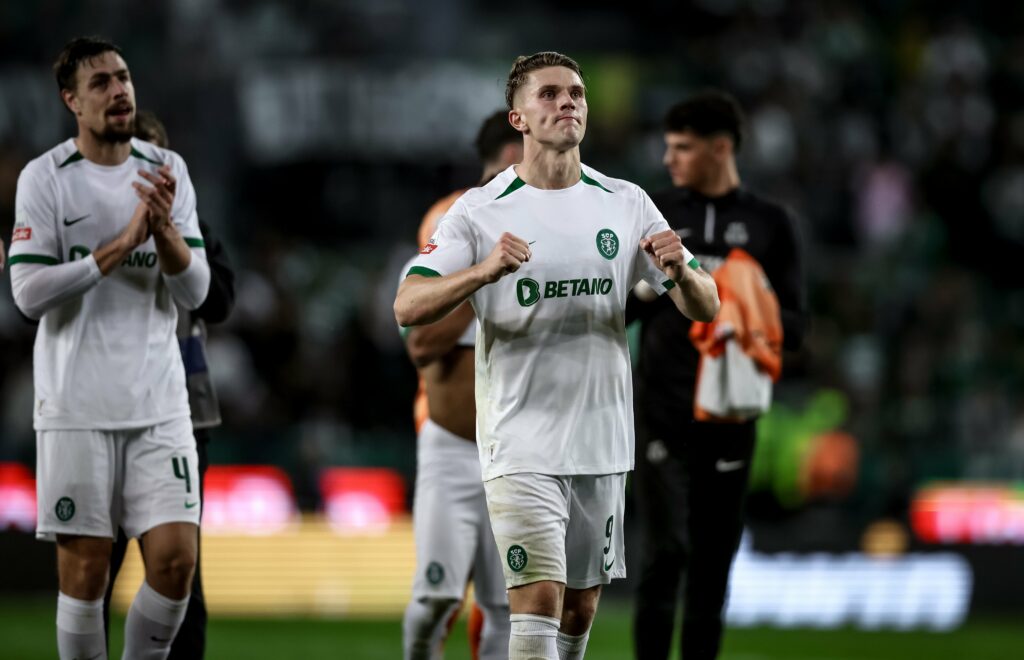
    Gyökeres has been one of the most in-form strikers in European football all season. Photo: @SportingCP/Twitter

    But the prospect of an indecently higher wage to play for a club at the very top of the Premier League could be similarly real, and considerably more appealing. So if a rich enough club shows up willing to pay the striker’s release clause, estimated to be worth € 100m, there won’t be much Sporting can do if he decides it’s time to test himself at the highest level. When asked about his future, during the title celebration party, he was slightly cryptic: “I love being here. It’s been fantastic. Let’s see what will happen. This is football, I can’t promise anything. But I’m under contract with Sporting and I really love being here. Things happen really fast in footbal and we have to adapt.”

    Gyökeres is not the only Sporting player who is attracting interest from other wealthier clubs. Similarly, defenders Gonçalo Inácio and Ousmane Diomandé have reportedly been scouted by several top European clubs, as well as Tottenham Hotspur academy product Edwards, who has long been followed by Premier League sides. Losing key players is nothing new to Sporting, and the club academy is always capable of providing quality additions to the first team. Also, the club scouts have been nailing it in most of the recent transfers, so with the potentially hefty transfer fees received, other smart deals could be done. But if Gyökeres, a 25-year-old, one-man-fastbreak forward trending up towards the peak of his powers, is really to leave, then he might be one rather hard to replace.

    As for Amorim, his journey at the Alvalade looks set for another chapter. “They said we would only win the championship in another 18 years. They said we only won it because there were no fans [due to the pandemic, in 2021]. They say we will never be back-to-back champions again. We’ll see”, he said during the title celebrations, before dropping the mic in an instant iconic moment. There’s still one last challenge this season, though: the Cup final to be played against Porto at the Jamor National Stadium, in which Sporting could accomplish a “double” for the seventh time in club history, 22 years after the last one.

    Next season, he will have another shot at a task he failed two years ago: defending the title, while also trying a deeper run in the Champions League. And this time, there will be even more hype and expectations. If manages to achieve another successful season in these even higher standards, and reclaim the domestic crown, he will become only the second coach in Sporting’s history to win it three times – and he will be only 40 by then. Whether he will have his Swedish goal machine back, or not… well, that remains to be seen.
  • Interview: Mikaël Roche, Tahiti goalkeeper

    Interview: Mikaël Roche, Tahiti goalkeeper

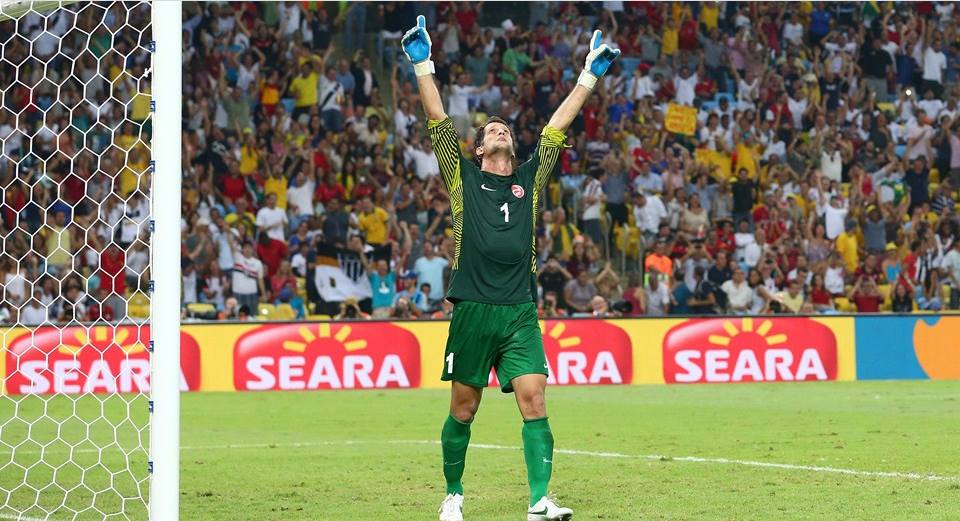
    Three matches, three heavy defeats. 24 times watching the ball go into their net, for one single goal scored throughout the whole competition. Back home, however, there’s nothing but fond memories, smiles and absolute pride for the Tahitian players who took part in their national team’s memorable run in 2013 Confederations Cup. Yes, memorable: it was a first for Tahiti playing – and scoring! – in an official tournament outside their continent. A colossal feat for a semi-professional team with no experience at this level, in which they saw themselves going head-to-head against African powerhouse Nigeria or World champions like Uruguay and Spain.

    The exceptional nature of their achievement was all they needed to have almost full support from the stands, wherever they played in the tournament. And the Tahitian always made clear that the feeling was mutual, displaying their gratitude for all the unforgettable moments they had the chance to live. One in particular caught attention: a part-time teacher picked by the coach to stand between the posts against the feared Spaniards, mighty European champions, on the legendary pitch of the Maracana. But still, even after being beaten in 10 occasions that game, he finished the game looking triumphant. After the competition, he was gentle enough to concede this interview, in which he spoke about what his experience was like playing in such a tournament, the popularity of football in Tahiti and the challenges the sport faces in French Polynesia, as well as other aspects of the social and political structure of this tiny island, embraced by the Indian Ocean – and of course, by all Brazilian fans.

    How popular is football in Tahiti? What did this Confederations Cup mean to Tahitian (professional) football, now and in the future?

    Football is quite popular here. FTF is the federation that has the most licensed players. However, watersports have big success over here, like surf or Va’a (Tahitian traditional canoe). The Confederations Cup did not mean much to the people here… even for lot of people in the federation! We, the players, were aware of how important this competition was. But we did not know how big it was, and how big you live it in Brazil! This competition has made some people conscious of how big is the gap between us and the world class football. But it gave good points of work to get things better, like equipments (quality fields), training methods, mentality, etc. Talking about profesionnal football is not really realistic here because the market for football is not big enough. Only 280.000 people live in French Polynesia, 100.000 in Tahiti. And the companies don’t want to put lot of money in football – can they, regarding the economic crisis we are facing here? So we have got to be more profesional in the way that we live it. But more in terms of mentality than in terms of economic capacity.


    What is the structure of league football in Tahiti?

    There are only 2 divisions here. 1st division has 2 rounds, a regular one that qualifies teams for the 2nd one, the play-offs.

    You probably could not be happier following this Confederations Cup with your nation in Brazil, but at club level, how is your career going?

    With my club, we got eliminated from the OFC Champions League after the pool phase, and did not qualify for the semi-final for just few things. It has been really frustrating because my team was really competitive, the atmosphere in the team was really nice. In the words of all the teams we played, even the one that won the Cup, we had the best football and we deserved to go to the final.

    How would you describe the Tahitian society, its cultural values, and way of living? And what are the challenges you see for the future?

    Tahiti has lived under artifical economy, due to the financial helps given by France because of the nuclear bomb tests, and did not build enough real economic system. So since the helps are lower, added to the world economy crisis, we’ve faced difficult times. About 10 years ago, for the 1st time we started seeing poorer, even homeless people. However, we have middle and high class people too. Life is still really good here, quality is still really good. Religion is really powerfull here, and political and society decisions too much have to deal with the religious power – people are mainly protestant and catholic. Lots of people are really under the influence of the churches here. The biggest challenge for the country is to become more attractive for tourists. Tourism is our 1st resource. We’ll have also to try to produce more and import less. We’ll have to keep the education system strong, and find a solution to keep the health system (but it costs a lot).

    You work as a teacher too. What are your thoughts about Education in Tahiti?

    The Education is really good here. We have the French model, with local specificities in the school programs (like in Geography or History for ex. Or in sport, we teach va’a). A lot of teachers come from France, have a 4-years contract and go back.

    How was the experience of playing against the likes of David Villa and Fernando Torres, and how do you think this experience will impact your career?

    Playing againts the best has been incredible, like a dream coming true. But most of it it has been playing in such a historical stadium, the Maracana, with that amazing crowd, always supporting us… I cannot forget that. I don’t know if the Cup will have any impact on my career, as I’m 30, and don’t think I put much interest on foreign clubs. But as a player, I will feel stronger and more confident.

    Note: this article was originally published in Portuguese at Doentes por Futebol, in 2013. But given the interview was conducted in English back then, via Facebook, I decided now to publish it in English instead, for the sake of precision and justice to the choice of words made by my interviewee.
  • Conar: “Não há necessidade” de regulamentar a publicidade infantil

    Conar: “Não há necessidade” de regulamentar a publicidade infantil

    Para vice-presidente da entidade, “a sociedade está protegida” pela autorregulamentação

    (Conteúdo escrito em 2015, para projeto durante a graduação em Jornalismo na Unicap)

    Parte crucial do debate em torno da publicidade infantil é o Conselho Nacional de Autorregulamentação Publicitária. Fundado em 1980, o órgão nasceu a partir de uma ameaça do Governo Geisel de criar uma censura prévia à propaganda. O setor, então, se uniu em torno da contraproposta de um Código de Autorregulamentação, que foi aceita pelo Poder Público. Desde então, o Conar tem agregado publicitários, representantes de empresas anunciantes e de veículos de mídia. E no que diz respeito à publicidade infantil, a entidade tem se notabilizado pela firmeza com que rechaça qualquer tentativa de regulamentação.

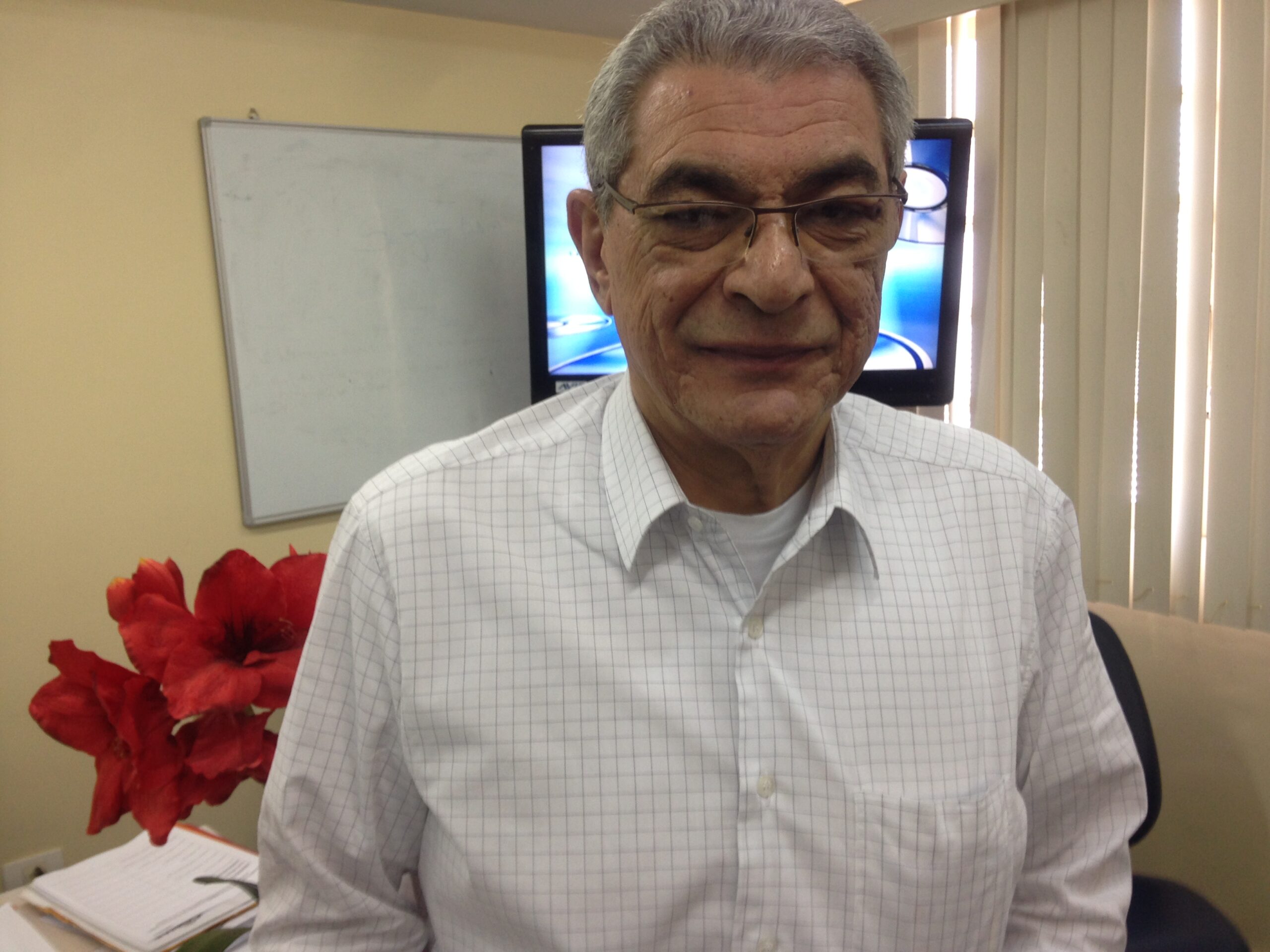
    Foi essa a tônica do discurso do vice-presidente executivo do Conar, Edney Narchi, em entrevista à reportagem. No Recife para uma reunião do Conselho de Ética da entidade, o advogado paulistano defendeu a atuação e os critérios do órgão na hora de coibir os abusos em anúncios. Para ele, a falta de leis de restrição à publicidade infantil só mostra como a autorregulamentação tem sido eficiente. Ele também rebateu críticas e comentou a Resolução 163/14 do Conanda, que proibiu qualquer anúncio voltado para crianças e adolescentes. “É como se um pastor aconselhasse na Igreja a não fazer sexo antes do casamento. Faz quem quer”, disparou.

    Especial: Publicicidade infantil

    O Conar recebe muitas denúncias relacionadas a abuso na publicidade infantil?

    Pouquíssimas. Mas o Conar tem acompanhando essa preocupação da sociedade brasileira em relação à proteção às crianças. De ofício, tem processado muitos anúncios dirigidos a crianças. Anúncios para divulgação de produtos infantis, anúncios que tratem direta e indiretamente com crianças. A gente tem, durante os últimos anos, entre 7 e 11% de todos os casos julgados no Conar dentro desse escopo da publicidade infantil.

    No Congresso, já houve algumas tentativas de regulamentação sobre a publicidade infantil. Por que elas não avançaram?

    O artigo 37 do Código de Autorregulamentação é o que trata o regramento ético que os conselheiros do Conar utilizam quando vão julgar uma denúncia contra qualquer anunciante e agência que tenha feito alguma eventual infração a respeito da proteção à criança e ao adolescente. Isso é nossa constituição para proteger crianças da má publicidade. E é tão boa, que faz 14 anos que existe um projeto de lei tramitando dentro do Congresso Nacional (o PL 5.921/2001) e não se aprova, porque não há necessidade. Passa uma legislatura, vai para o arquivo, aí o autor se reelege, pede o desarquivamento… já aconteceu três vezes. O deputado Luiz Carlos Hauly (PSDB-PR), muito bem votado no estado do Paraná, não perde eleição. O projeto dele é arquivado, ele pede o desarquivamento na outra legislatura. É um processo que está vivo há 14 anos, mas até agora não foi aprovado sequer na Câmara dos Deputados. Já passou por três comissões, está na última (CCJ). E já está com outra redação, com emendas substitutivas. Quando dentro do Congresso Nacional uma coisa fica rolando, rolando, é porque não há necessidade daquilo.

    Existe algum grau de omissão do Poder Público no que tange à publicidade infantil?

    Nós tivemos um julgamento em 2015 realizado no STF. Os promotores públicos entendiam que o Congresso Nacional e o Governo estavam se omitindo de legislar sobre a publicidade de cervejas, vinhos e bebidas ice. Todas as bebidas abaixo de 13°GL não são reguladas por Lei Federal na sua comunicação. Existe uma lei chamada Lei Murad (do deputado José Elias Murad) que regulamentou a propaganda de bebida alcoólica, produtos de fumo, medicamentos, tratamentos médicos e agrotóxicos. Essa lei rolou durante uns seis anos no Congresso até que foi aprovada em 1996, e entrou em vigor. Só que quando ela fala de bebida alcoólica, tem um parágrafo que diz assim: “Essa lei só se aplica a bebidas alcoólicas com teor acima de 13°GL”. Os promotores entendiam que isso é uma omissão, porque cientificamente é demonstrado que a partir de 0,5°GL a bebida pode interferir no controle das pessoas. Para encurtar a história: o STF entendeu que existindo um controle social sobre a propaganda de cerveja, vinho e bebidas ice realizado pelo Conar, que é amplamente respeitado e acatado pela indústria, pelos meios de comunicação, pelas agências de propaganda, não existe omissão do legislador. A sociedade está protegida porque existe uma autorregulamentação que trata do controle desses produtos. O Conar recebeu uma medalha por estar fazendo esse controle e a sociedade brasileira reconheceu.

    O trabalho do Conar tem sido efetivo para coibir os abusos?

    Muito se diz que quando ele atua, o estrago já está feito, pois o anúncio já foi veiculado. Eu só vou fazer uma comparação. Autorregulamentação é uma forma de controle social. Outra forma é uma lei. A lei diz que é proibido roubar. Quando o cara é preso ele já roubou, ou ainda vai roubar? Então, é sempre assim no fato social. O fato social se antepõe à eventual punição, à eventual restrição. Para as pessoas de bons modos, a existência da autorregulamentação pressupõe que vai ser cumprido aquilo. As boas agências cumprem, os bons anunciantes obedecem, a maioria do PIB brasileiro da indústria da comunicação é filiada ao Conar e consulta, se assessora dentro do Conar para fazer seu trabalho publicitário. Então, é supereficiente, no mundo inteiro é supereficiente. Quando a OMS (Organização Mundial de Saúde) trata desses assuntos de saúde, comidas que engordam, sempre solicita a participação dos mecanismos de autorregulamentação – e já somos mais de 60 espalhados pelo mundo. É uma criação intelectual da atividade de comunicação da maior relevância.

    Como o mercado tem reagido à resolução 163/14, do Conanda, que proíbe a publicidade infantil?

    Conanda não proíbe, ele não pode proibir. Quem pode proibir alguma coisa no Estado Democrático de Direito é a lei. O Conanda não é Poder Legislativo, é um braço auxiliar de uma secretaria especial com status de ministério. O Conanda não edita nem decreto. É uma resolução do Conselho do Conanda. Então, não tem poder mandatório. É um conselho, é como se você fosse na Igreja e o pastor aconselhasse a não praticar sexo fora do casamento. Faz quem quer acompanhá-lo, mas você não é obrigado a fazer. Você não tem a obrigação e nem pode ser punido se deixar de fazer, porque ele não tem poder cogente, não é lei, não pode impor algo a alguém. A ABERT (Associação Brasileira de Emissoras de Rádio e TV) fez uma consulta formal à AGU (Advocacia Geral da União) e recebeu exatamente essa resposta. Ela não se preocupa com as consequências da resolução Conanda porque não tem poder cogente. É um mero aconselhamento dentro de políticas públicas existentes no país. Então, o mundo da propaganda, cá entre nós, cagou e andou. Continua fazendo a mesma espécie de comunicação que já fazia, dentro das normas do Conar e dentro da legislação existente.

    Quais são os instrumentos existentes hoje para regular a publicidade infantil, e o que é necessário para que essa resolução do Conanda seja acatada?

    Já existe o ECA (Estatuto da Criança e do Adolescente), existe o Código de Autorregulamentação, que é um acordo entre as partes da propaganda, existe a Constituição Federal, que trata de criança, existe o Código de Defesa do Consumidor, que é uma lei federal importantíssima que mexe com propaganda. Mas uma resolução do Conanda, desculpa, não é lei, porque a Constituição diz isso. Ela tem o artigo 22, que diz que é competência privativa da União legislar sobre uma série de matérias. E no inciso 29, está escrito lá: propaganda comercial. Ou seja, tem que passar pela Câmara dos Deputados, pelo Senado Federal e ser sancionado pela Presidência da República para virar uma lei que mexa com a propaganda. Para retirar direitos da propaganda, a Presidência da República tem que dar um ok.

    O senhor acha que é necessária uma maior regulamentação sobre o tema ou acredita que a infância está sendo bem protegida?

    Obviamente, a pessoa mais bem informada é mais apta para viver na sociedade que a gente criou. O Brasil passou por um período horroroso de restrições às comunicações, de restrição a atividades políticas, sociais, que foi o último período de ditadura. Para sair disso, aconteceu uma Assembleia Nacional Constituinte. É um novo pacto assumido por todas as partes que compõem a Federação, e nessa Constituição ficou definido que o Brasil é uma sociedade de regime capitalista de mercado. Foi assumido pela Assembleia Nacional Constituinte, que promulgou a Constituição de 88, que o regime econômico do país é o regime de capitais. Então, dentro disso, nós temos que acatar o respeito à liberdade de opinião, de expressão, de reunião, uma série de fatores que foram criados e que são pilares da nossa sociedade, dentro dos quais estamos vivendo. Se é um regime de trocas dentro do mercado, quanto mais informação você fornecer às pessoas mais preparadas elas estarão para viver nesse mundo que foi criado. Então, é óbvio que o jeito que hoje nós estamos criando, nossos filhos e netos estão sendo bem orientados.

    O senhor entende que a publicidade contribui para aumentar o consumismo entre as gerações futuras?

    Consumismo é um desvio do consumo. É uma doença, um desvio psicológico. Ninguém faz propaganda para criar consumismo, se faz propaganda para divulgar marcas, conceitos, oportunidades, ofertas, etc. E quem tem interesse naquilo aproveita essa informação e faz um ato de consumo. Não é porque existe um anúncio de uma marca de bala que você vai passar a ser viciado em bala, que você vai comprar um pote por dia e chupar. Não é assim que funciona o mundo. Esse receio dos superprotetores das crianças, de que se está criando uma sociedade consumista, se desmente pela própria natureza. Propaganda existe desde o início do século passado e não aconteceu nada disso no mundo. Ao contrário, o mundo evoluiu muito. Se criou o direito do consumidor, a consciência consumerista, algo que mexeu muito mais com as trocas sociais do que qualquer proibição que possa ter havido em qualquer país do mundo.

  • Uma nação de pequenos adultos

    Uma nação de pequenos adultos

    Parque de diversões que reproduz mundo adulto acende debate sobre proteção à infância

    (Conteúdo escrito em 2015, para projeto de reportagem durante a graduação em Jornalismo na Unicap)


    O Shopping Eldorado, no bairro de Pinheiros, em São Paulo, todos os dias tem seus corredores tomados por milhares de pessoas. O som em quase todo o espaço faz jus à intensa movimentação: conversas, música a meia altura, serviço de informação nos altofalantes. A exceção a esse burburinho fica no 2º subsolo. Basta descer a escada rolante para sentir uma mudança de ambiente: ao invés de vozes de adultos, passam a predominar gritos eufóricos de meninas e meninos. A reportagem descobriria, minutos depois, a causa da euforia dos pequenos. Eles estavam prestes a abandonar a condição de criança para experimentar uma sensação de independência ímpar, em atividades que muitos veem como educativas e lúdicas, enquanto outros identificam nelas a expressão máxima do conceito de “adultização” precoce.

    Especial: Publicidade infantil

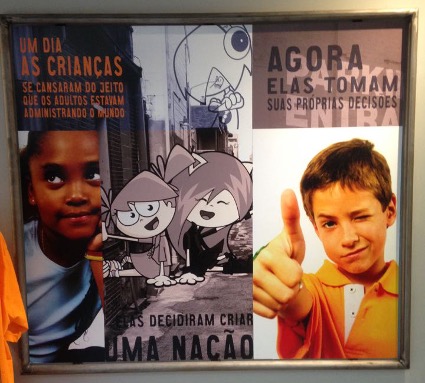
    “Um dia, as crianças se cansaram do jeito que os adultos estavam administrando o mundo. Elas decidiram criar uma nação. Agora, elas tomam suas próprias decisões”, diz um anúncio no piso do shopping. O nome dessa “nação” é Kidzania – a razão do frisson infantil. Franquia de uma rede de mais de 20 parques de diversões que começou no México e se espalhou por outros dezesseis países, o espaço recebe por mês uma média de 25 a 30 mil crianças entre 4 e 14 anos desde sua inauguração na capital paulista, em dezembro de 2014. Essa garotada vai em busca da experiência de viver, por algumas horas, em um simulacro do mundo adulto. No Kidzania, se trabalha para se receber uma recompensa em moeda fictícia (“Kidzos”) e gastá-la comprando produtos dentro do próprio parque, onde estão presentes um total de 24 empresas, entre elas, marcas importantes como Burger King, CBN, Folha de São Paulo, Nikon, entre outras.

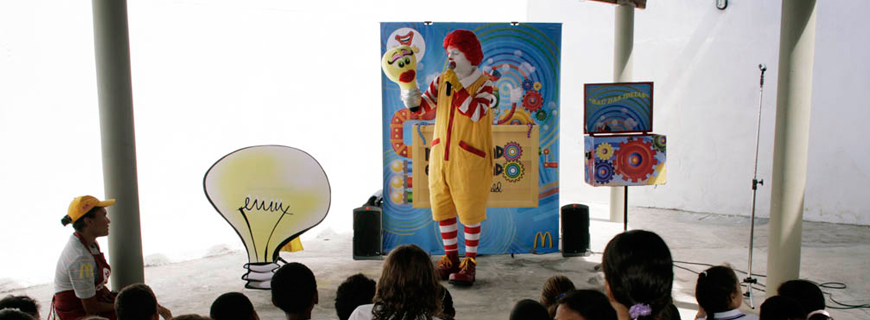
    Por causa da presença dessas empresas no Kidzania, muitas entidades de defesa dos direitos da criança acusam-no de compactuar, dentro de seu espaço, com estratégias de marketing agressivas demais para um público infantil. Além disso, também existem queixas quanto à brincadeira praticada no parque, que alegadamente não estimula a criatividade e fomenta um estilo de vida consumista. Todas essas críticas são rechaçadas pelo gerente de comunicação do espaço, Lúcio Medina. Para ele, as marcas estão lá para desempenhar o importante papel tornar mais concreta a experiência do público, e não para transformá-lo em uma nação de pequenos consumidores. “A ideia não é de consumismo. Elas (as marcas) estão aqui para ajudar na questão do realismo. É muito mais legal para a criança aprender a fotografar, ou ter a primeira experiência com fotografia, com uma câmera Nikon do que com uma câmara genérica. Por mais que o estabelecimento tenha todo o apelo visual das marcas, a gente é quem opera isso e não permite que o parceiro faça esse tipo de approach com a criança”, alega.

    Lúcio ressalta vários pontos positivos da experiência do Kidzania. Ele fala do parque como um local onde a criança tem seu primeiro contato com aquela que poderá ser seu trabalho no futuro – uma espécie de “teste vocacional”. “Aqui não tem roteiro, não tem um script determinado, não tem uma ordem de tarefas que ela tem que cumprir. Ela simplesmente chega numa cidade e descobre que ela vai trabalhar como carteiro, médico, jornalista. Ela brinca como uma criança livre, e aí ela acaba descobrindo um pouco como é cada profissão”, afirma. Segundo ele, o parque também ensina as crianças a cuidar de seu dinheiro. “A gente também orienta que a criança deposite esse dinheiro que ela faturou no banco, e leve para casa um cartão. Esse dinheiro fica salvo no banco e rende 2% ao mês. Quando ela voltar, ela aprende isso de economia”, explana.

    “Edutenimento” ou adultização? É difícil negar que o parque tem, de fato, uma veia educadora. Mas o que muitos questionam é que tipo de educação ele tem disseminado entre seu público – a ideia de que a vida nada mais é do que “trabalhar para consumir”, por exemplo. Essa lição de meritocracia, no entanto, é justamente a característica do Kidzania que mais agrada a pais como Vinícius, que disse ter conhecido o espaço através da revista Veja e resolveu levar o filho Paulo, de sete anos. “Ele percebe que, executando uma atividade, ele recebe um retorno. Comentam muito aquela coisa do consumismo, mas não é verdade, porque a criança tem o contato de maneira lúdica com a experiência do dia a dia de um adulto. Então, ela aprende muito mais, um aprendizado interessantíssimo que uma escola não pode oferecer”, defende. O alto número de marcas no estabelecimento também não incomoda Nathalie, cujos filhos de seis e oito anos são habitués no local. “Putz… eu acho que tem que ser. Não é o único lugar que tem”, resigna-se.

    Construído com um investimento de R$ 53 milhões, o Kidzania brasileiro foi o mais caro entre todas as unidades da franquia, com R$20 mi de vantagem em relação ao segundo da lista. O alto investimento definiu um novo padrão de lazer infantil no Brasil, e se propôs a trazer ao país o conceito de “edutenimento” – uma mistura de educação com entretenimento. Missão que, ao pé da letra, há de se admitir que o parque cumpre: as crianças que o conhecem, se encantam, e as atividades praticadas no local têm uma evidente proposta didática. São os valores ensinados no estabelecimento, contudo, que têm alarmado setores mais atentos aos estímulos a um estilo de vida consumista e pouco saudável.